

Albert Einstein’s brain: What have scientists discovered?
Analysis of lost photos reveals structural anomalies in Einstein’s brain that may explain his extraordinary mathematical and visual abilities.
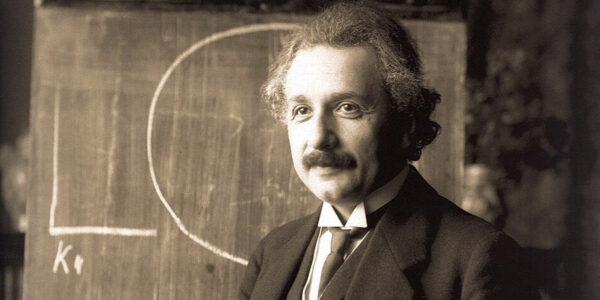
Analysis of lost photos reveals structural anomalies in Einstein’s brain that may explain his extraordinary mathematical and visual abilities.
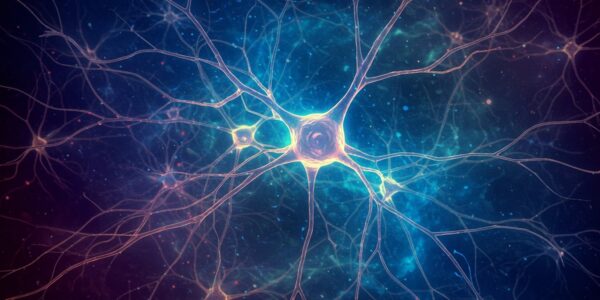
By growing miniature brain models from patient cells, researchers have identified distinct electrical activity patterns linked to various autism profiles. This approach offers a personalized way to study the unique biological roots of neurodevelopmental conditions.
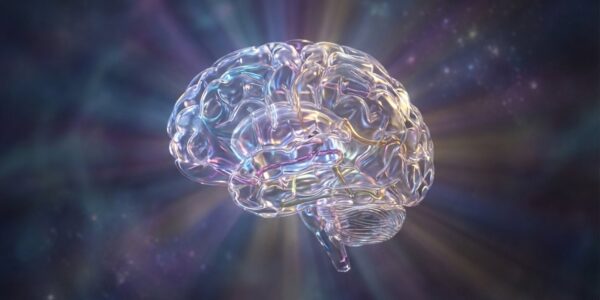
New research shows a child’s home environment is closely linked to how their brain matures. A recent study associates parental acceptance with faster brain development, while exposure to household abuse correlates with delayed microstructural brain changes.
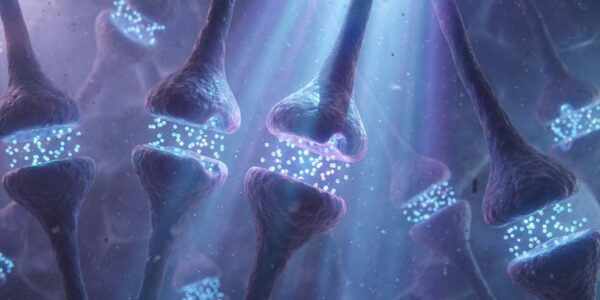
Published in Nature Neuroscience, new research reveals that timing, not repetition, drives associative learning. By showing the brain prioritizes the delay between rewards, the study upends century-old assumptions and suggests new ways to understand habit formation.

Research often links positive emotions to longevity in Western countries. A new study confirms this association exists in Japan, finding that unhappy adults were significantly more likely to die over a seven-year period than happy ones.
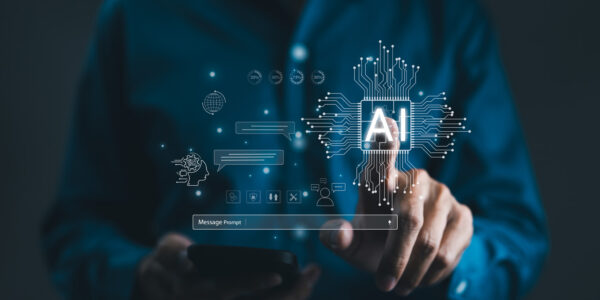
People often isolate themselves in online information bubbles. A new study suggests that balanced AI news chatbots provide a trusted source of diverse news, appealing heavily to readers who typically distrust mainstream media narratives.
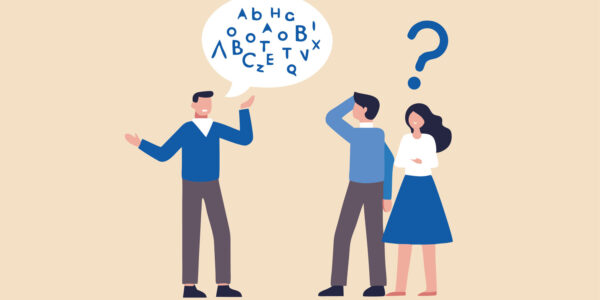
Using a newly developed “Corporate Bullshit Receptivity Scale,” researchers have uncovered a troubling trend: professionals who view jargon-heavy statements as profound actually perform much worse on tests measuring leadership, reasoning, and situational judgment.

Is the psychological benefit of nature a universal human trait or just a Western luxury? A sweeping new study of nearly 37,000 people across 75 countries reveals that feeling connected to the natural world improves well-being globally.
Artificial intelligence is becoming an increasingly prominent feature of modern hiring, creating opportunities to enhance efficiency and consistency in selection. This study examined how AI transparency, AI literacy, and attitudes toward AI shape applicants’ perceptions of fairness when engaging wit
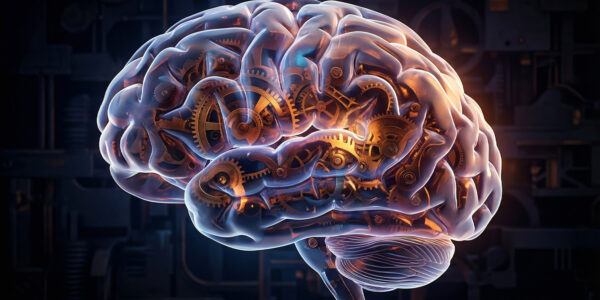
By scanning brains while people actively took intelligence tests, neuroscientists discovered that high test scores are linked to highly flexible, diverse neural networks. The findings offer the first physical evidence for a new theory of human intelligence.